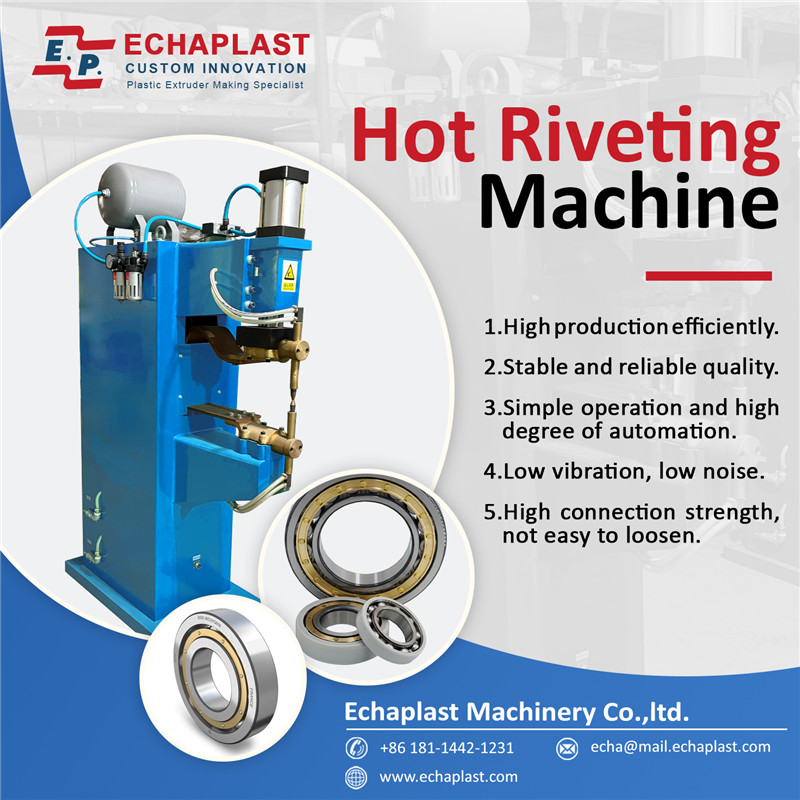
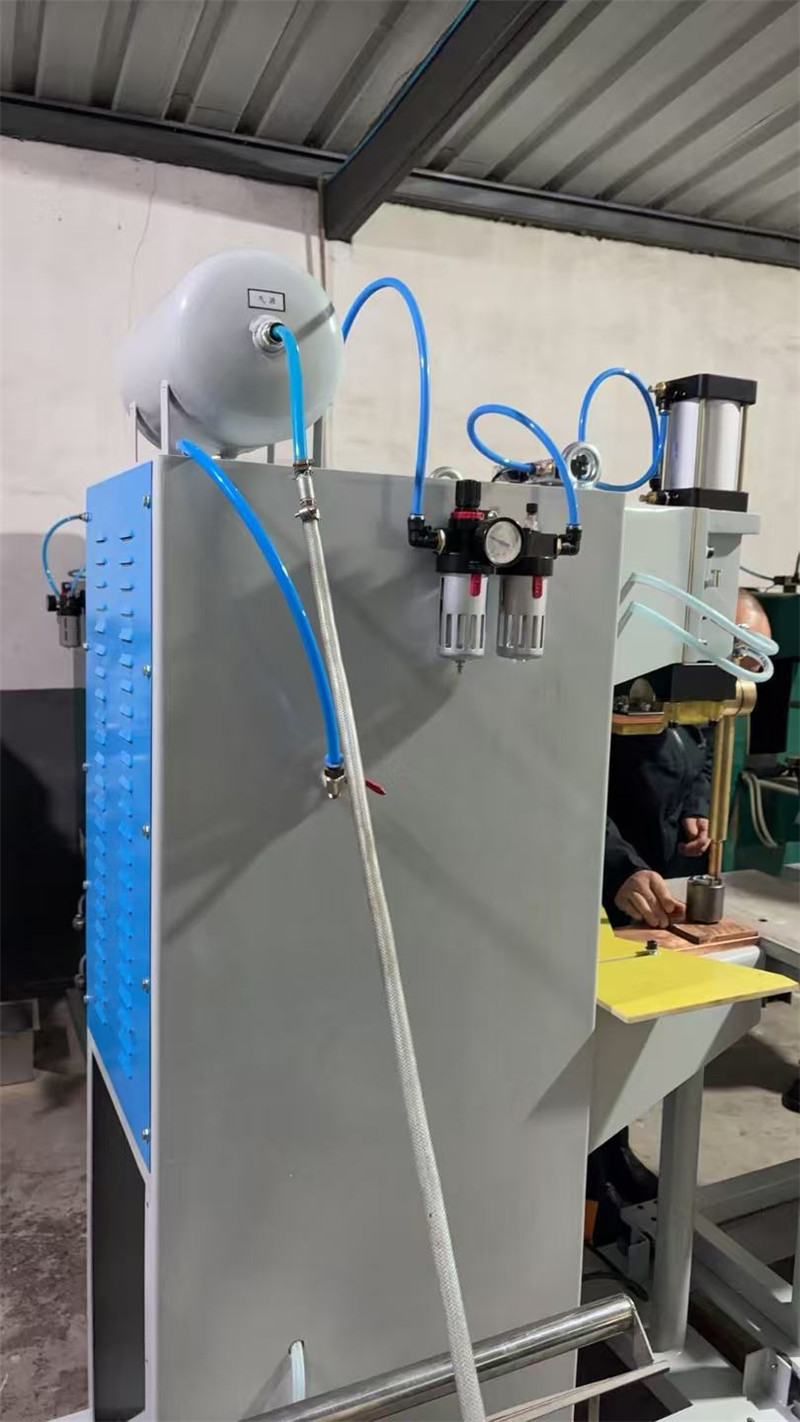
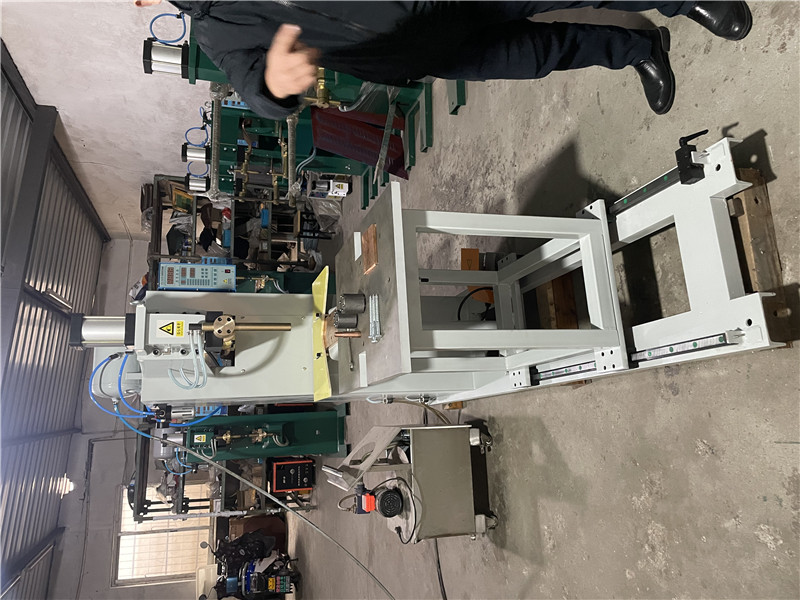
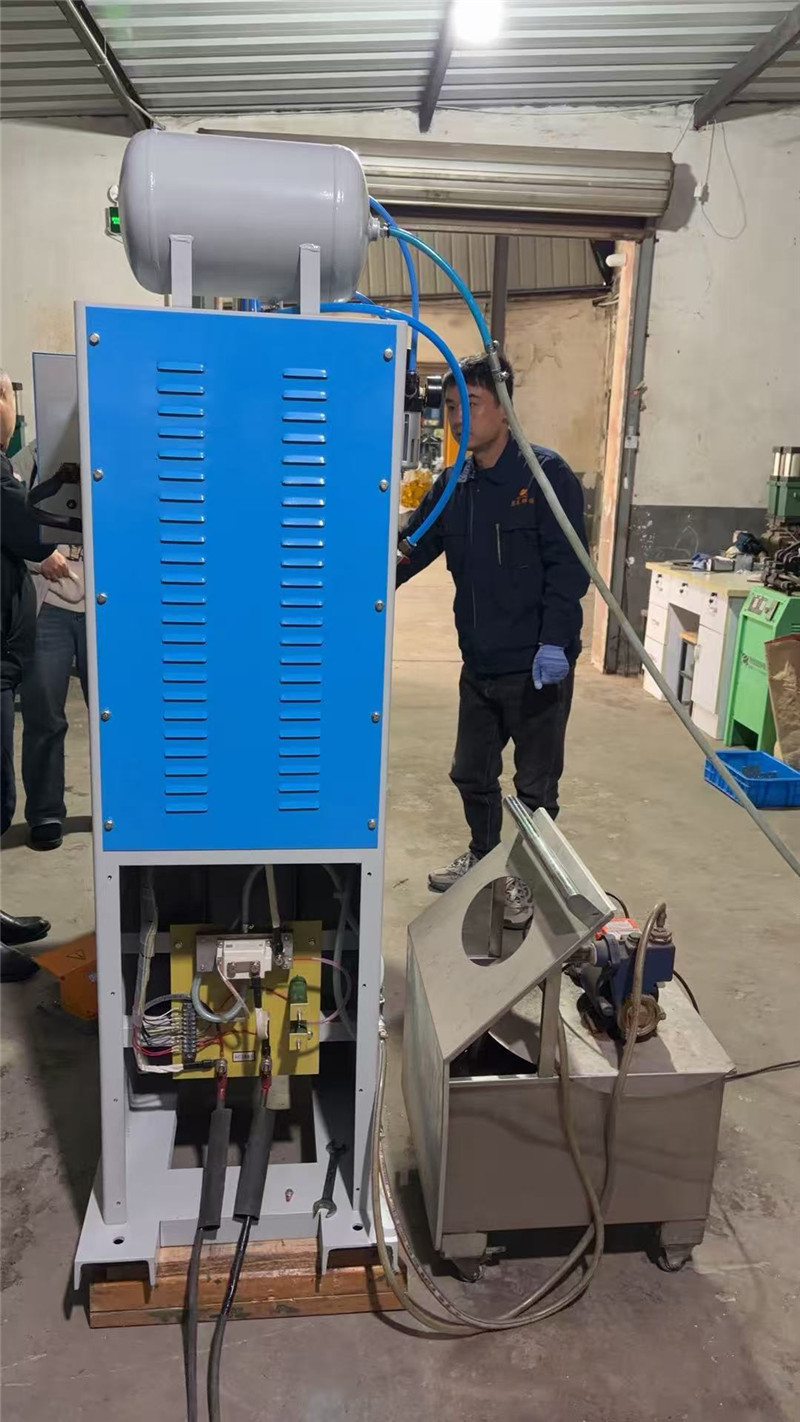
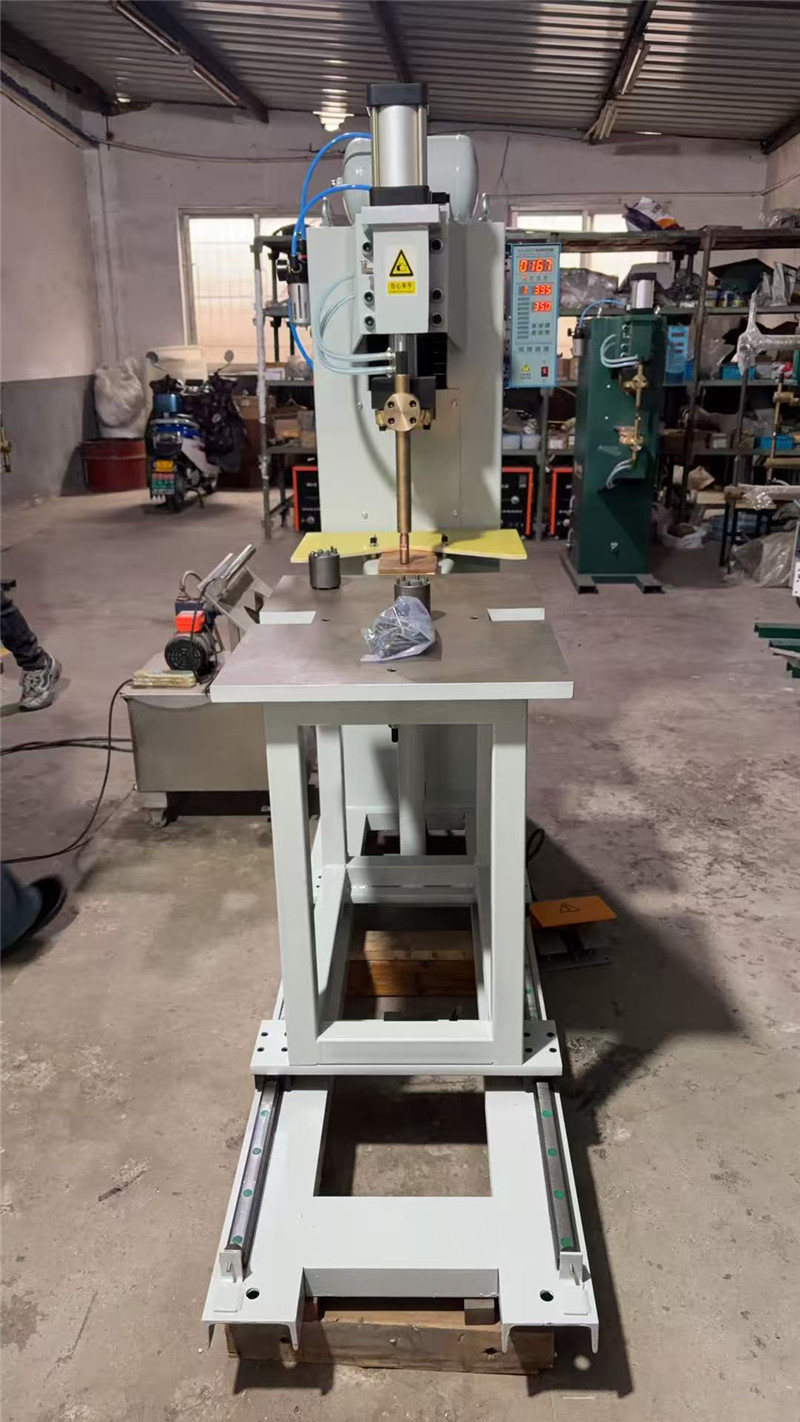
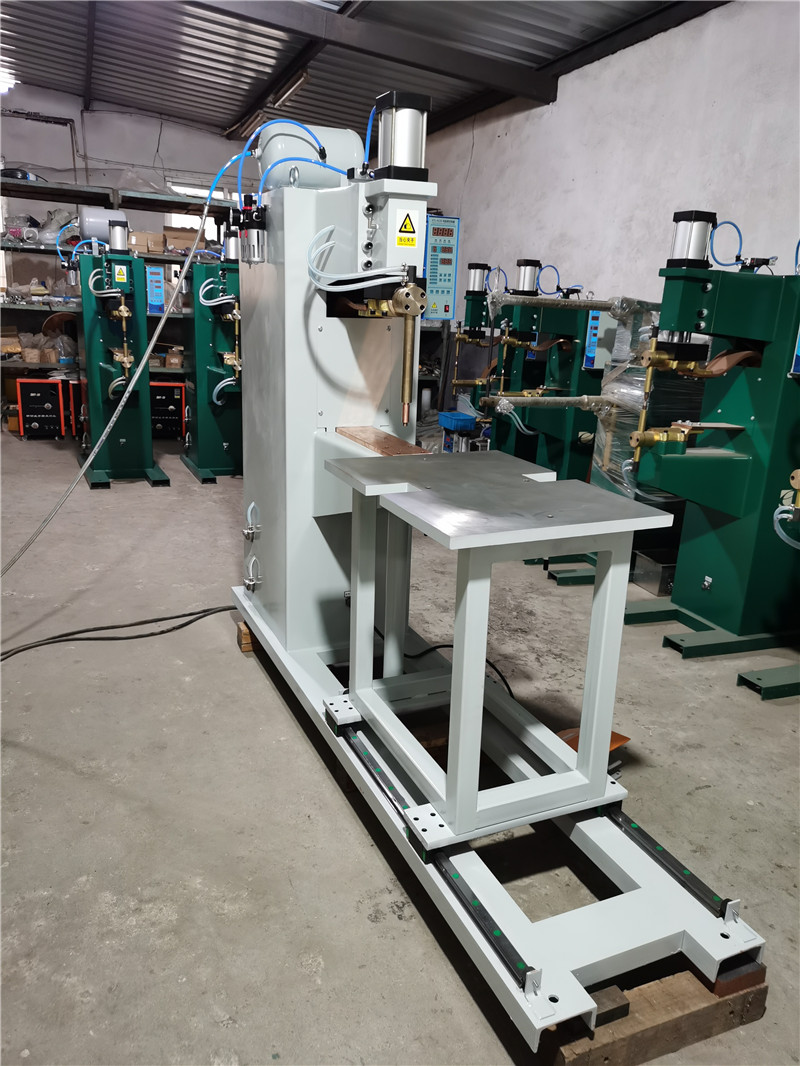
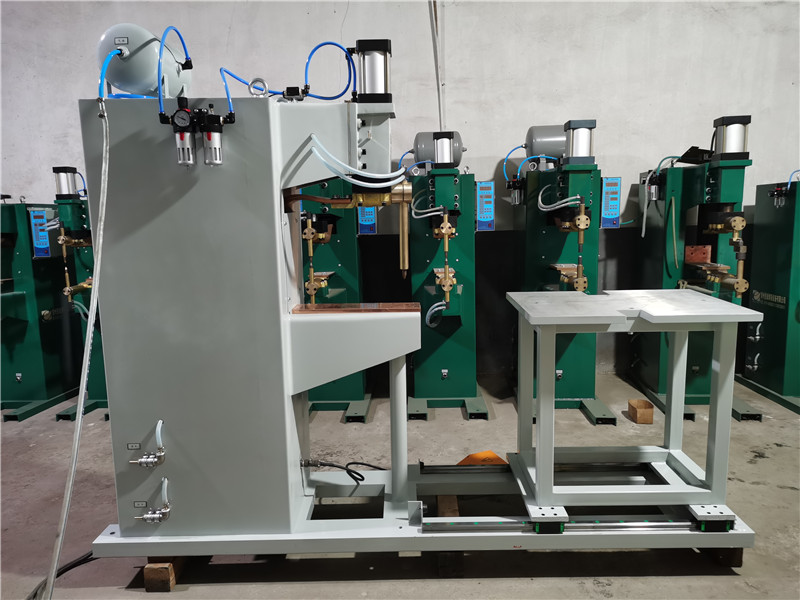
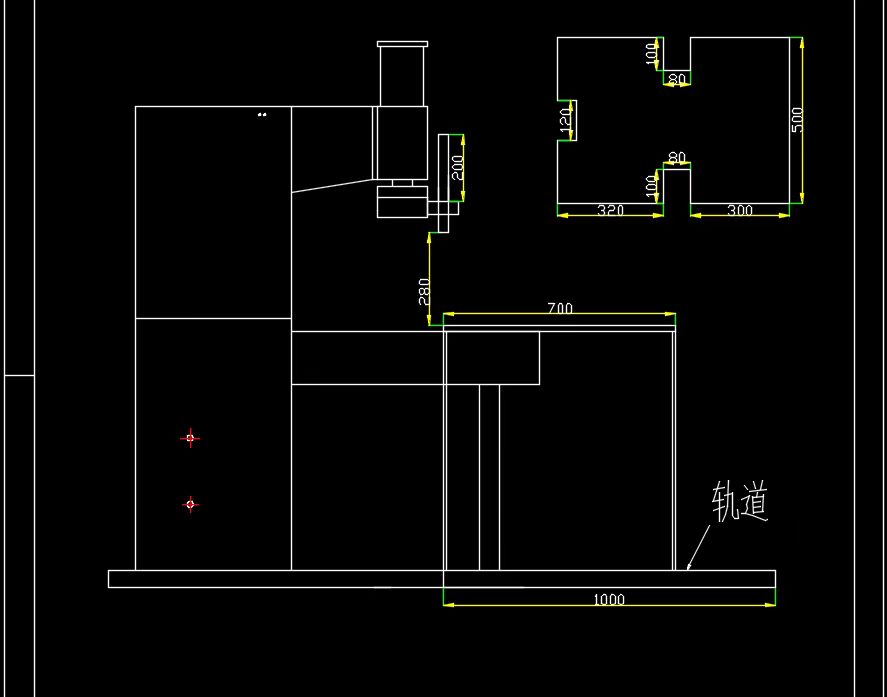
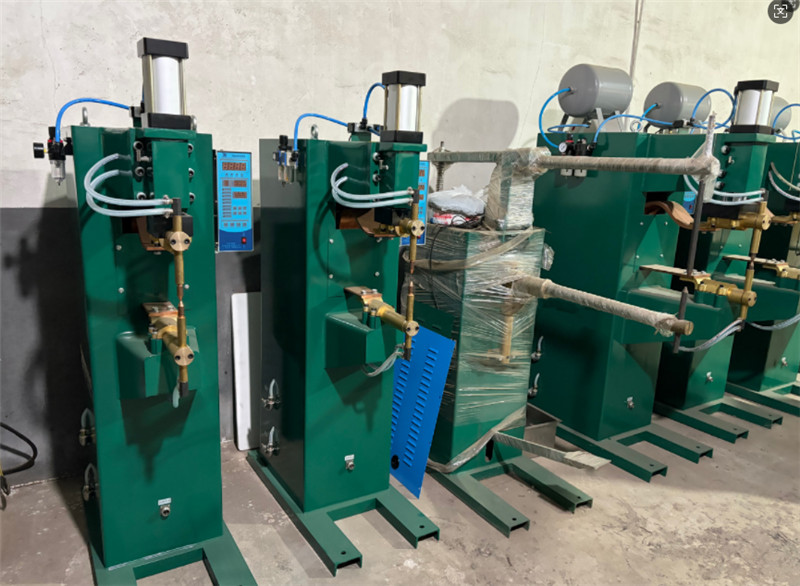
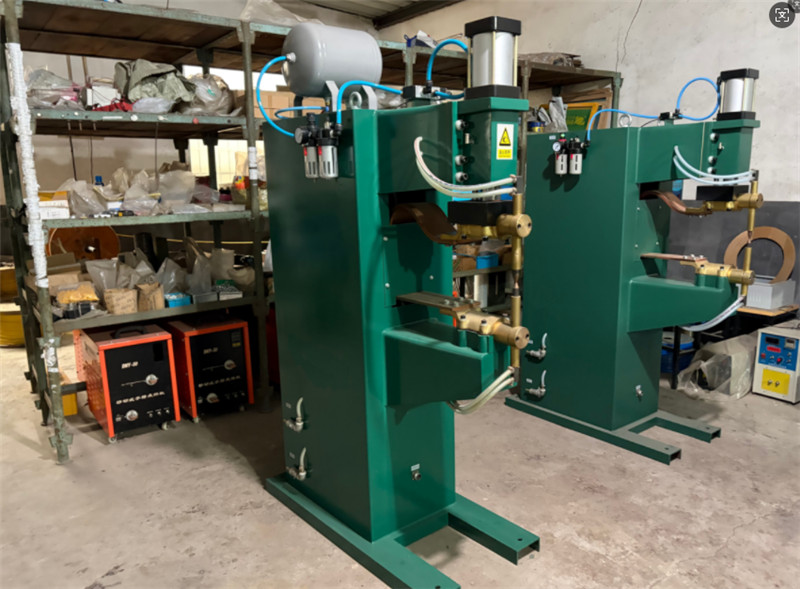
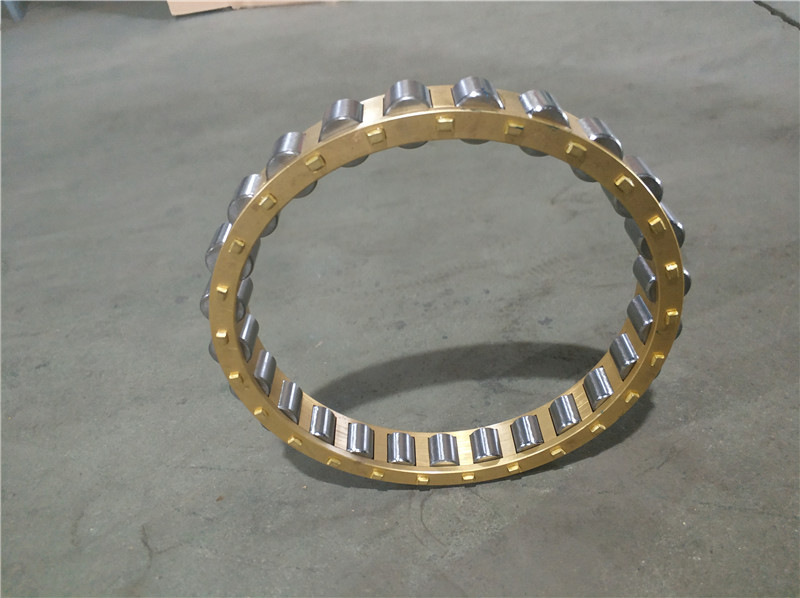
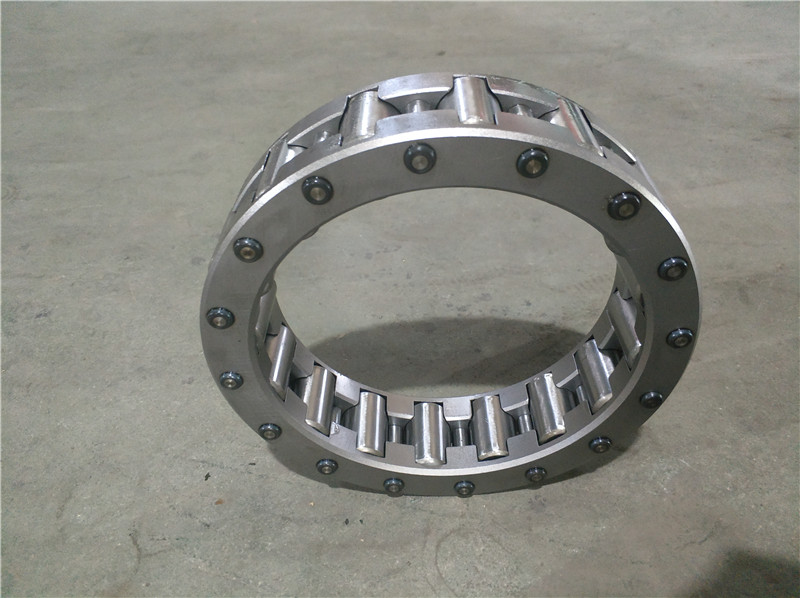
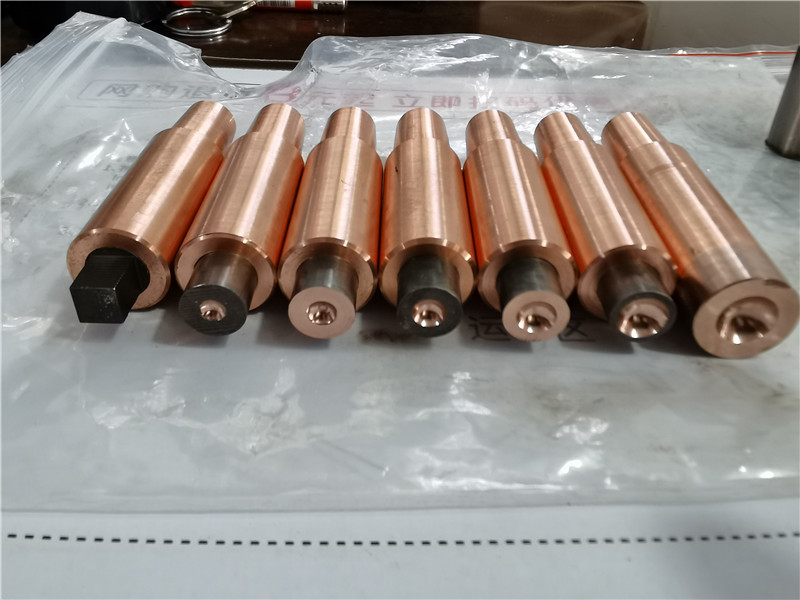
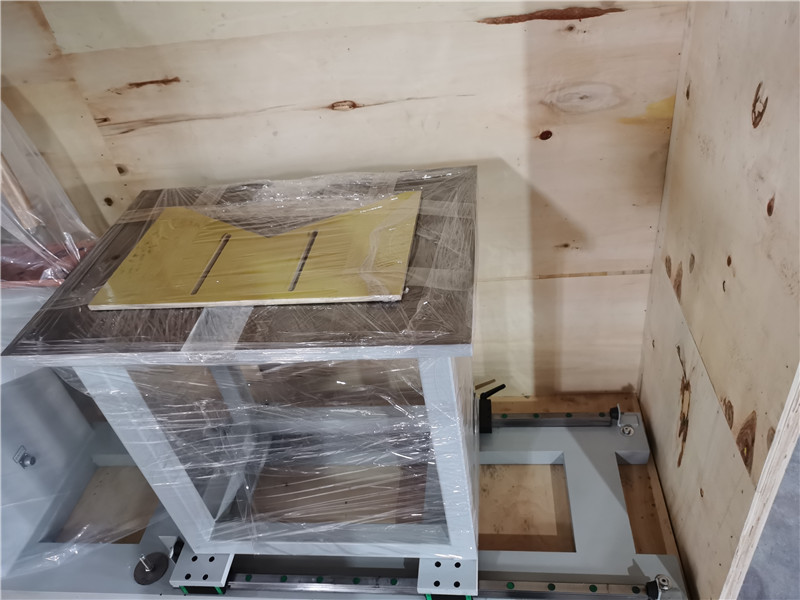
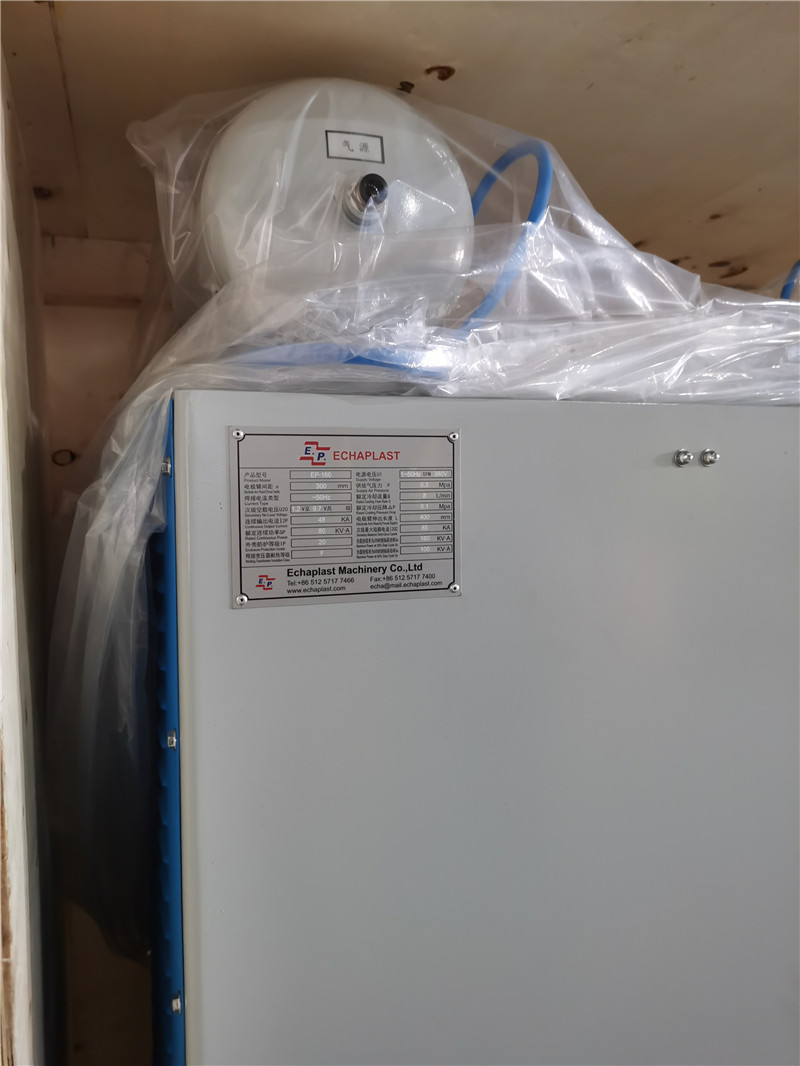
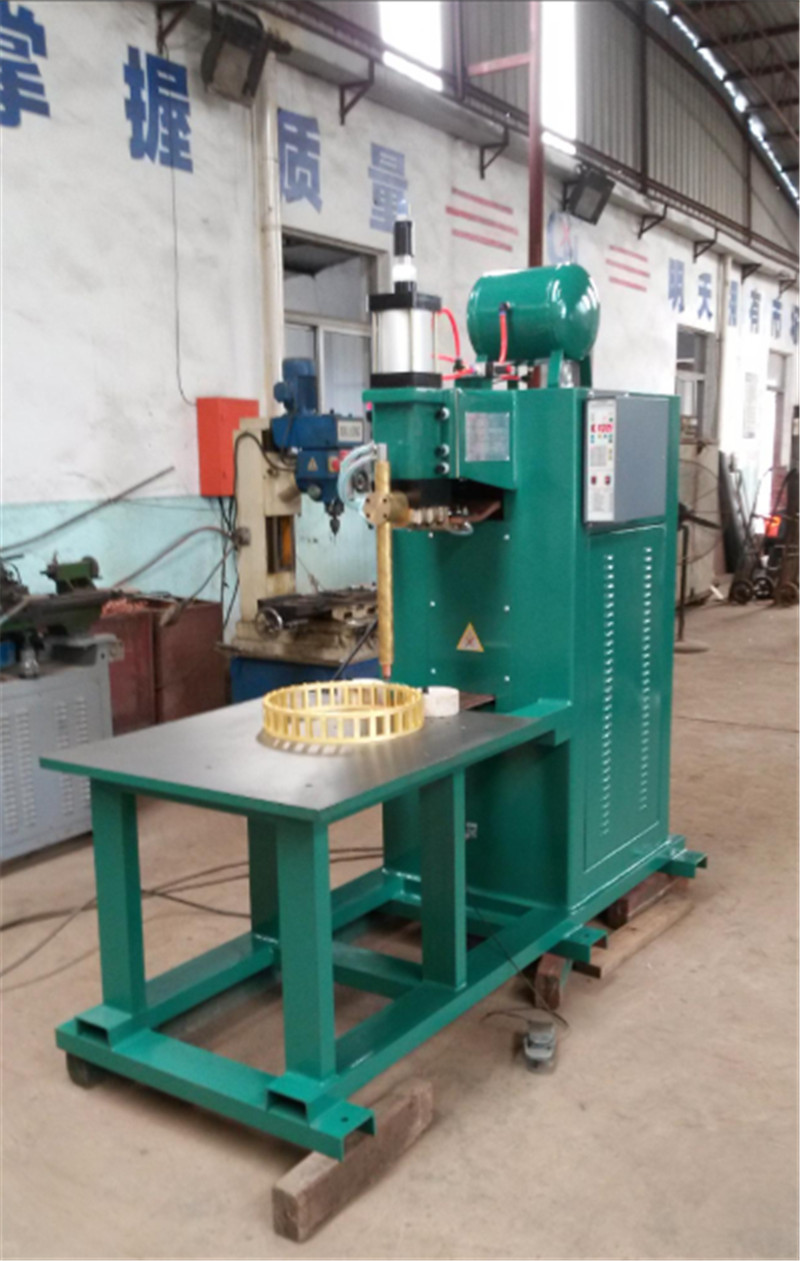
The bearing hot riveting machine mainly adopts
**heating and pressure riveting** to permanently fasten components such as bearings, shafts and housings together, preventing loosening and falling off.
It can be simply divided into three steps:
1) Heating Through electric heating or high-frequency heating, the parts to be riveted (shaft ends, rivet columns, sleeves, etc.) are heated to a certain temperature, so that the metal becomes soft and easy to undergo plastic deformation.
2) Pressing & Riveting Pressure is applied to the heated parts by means of dies or pressure heads to produce plastic deformation, forming rivet heads, flanged or expanded structures, so as to firmly lock the bearings with shafts or housings.
3) Cooling & Setting Heating is stopped while pressure is maintained. As the metal cools down, it contracts and hardens, forming a high-strength, non-detachable fastening connection, ensuring that the bearings do not shift or loosen during operation.

1. Automotive Parts Industry
Riveting and fixing of wheel hub bearings, gearbox bearings, motor bearings, and steering system bearings.
2. Home Appliance Motor Industry
Riveting and assembly of bearings with shafts or end caps in motors for washing machines, air conditioners, fans, water pumps, etc.
3. Power Tool Industry
Bearing press-fitting and riveting for electric drills, angle grinders, cutting machines and other power tools.